The Cost of This Job
Chino Hills sits 18 miles from our Irvine shop, and that distance shapes how we quote a job here before we ever see the door. We don't run a branch in Chino Hills, so every visit is a dedicated trip from Irvine, not a stop on a route that happens to pass through. That means we book calls here in blocks rather than squeezing them between closer jobs, and it means we're straight with you about timing before you commit.
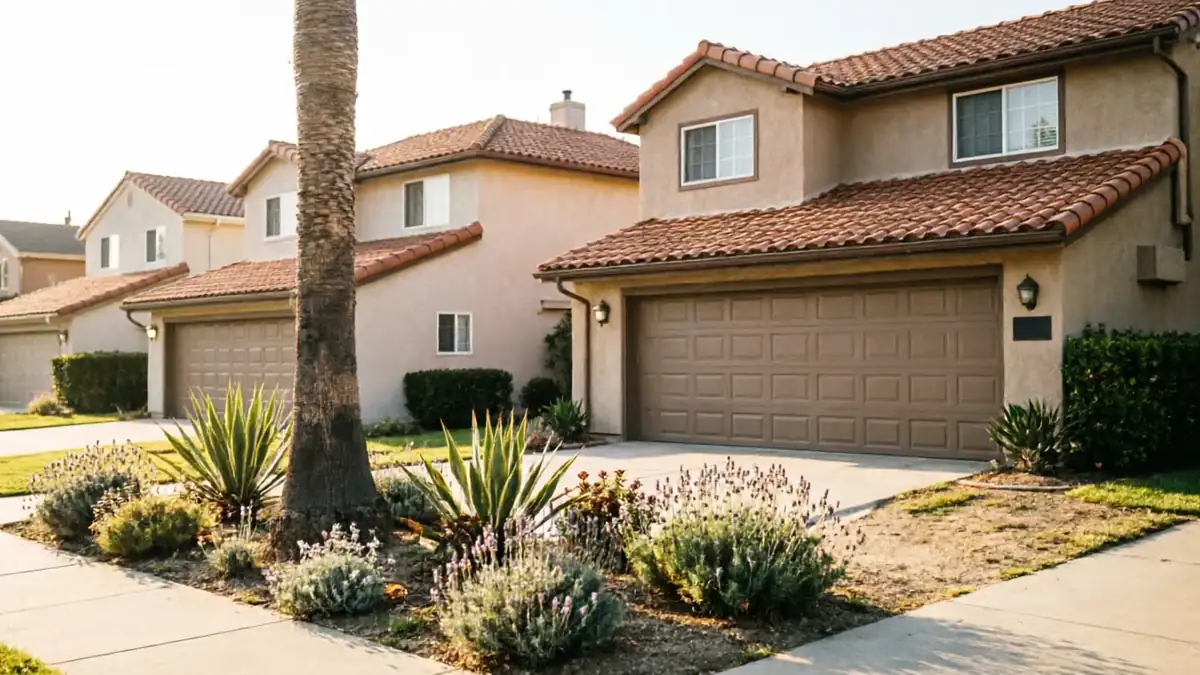
What we can speak to honestly is the housing itself. Most of the Irvine stock we work on daily runs from 1938 through 2015 with a median build year of 1976, which is a different animal than what's common in Chino Hills, where homes tend to run newer, closer to a 1990 median build year. A home built around 1990 usually carries a different opener generation and a different spring configuration than the 1970s torsion setups we see constantly on our side of the drive. We'd rather tell you that up front than quote a repair as if your door were the same age as half of Irvine's.
Across the broader service area, median household income runs $124,167, and Chino Hills' own figure sits close behind at $122,600. That's not a huge gap, but it tells us the homes here are generally mid-size, mid-age properties, not the oldest or newest stock we deal with. We price the job on what's actually on your wall, not on an area average.
What Can Go Wrong
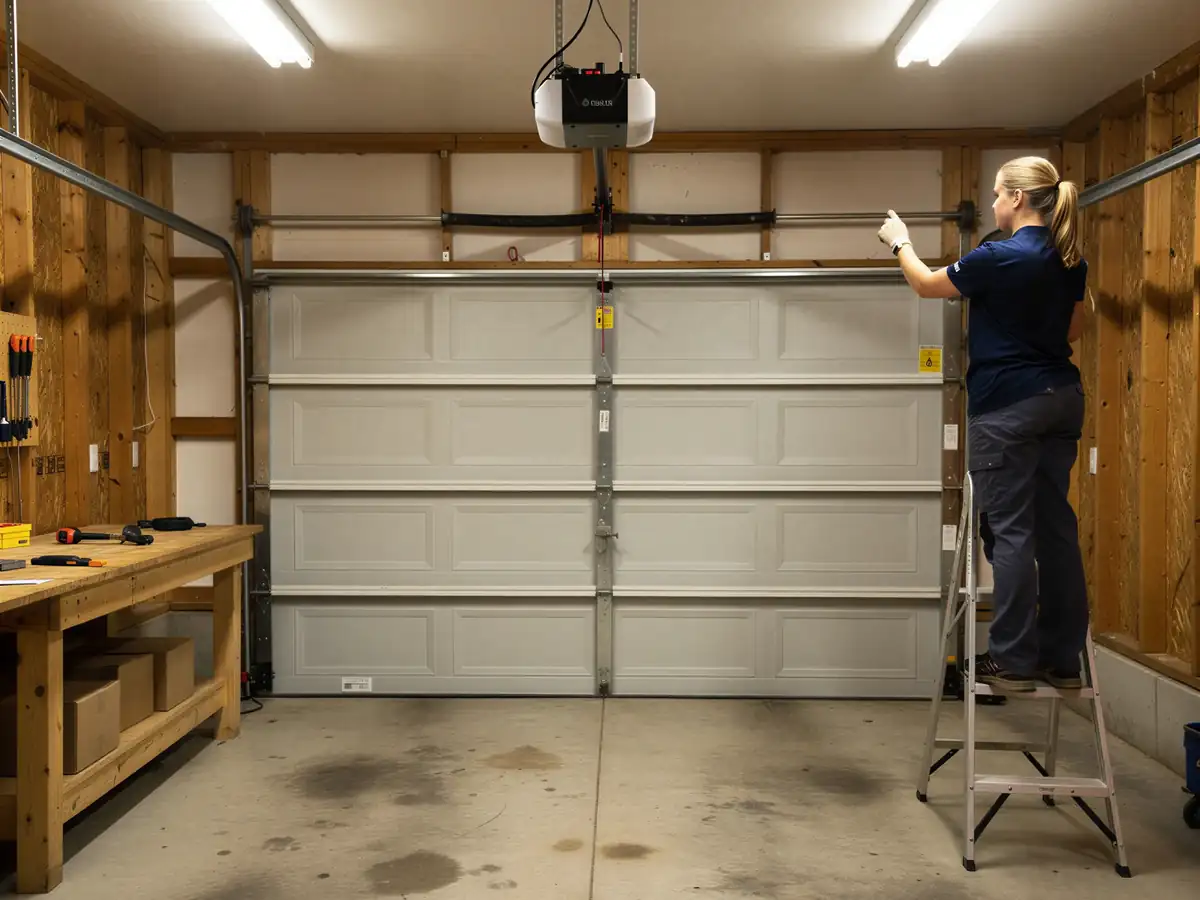
A door built around 1990 is old enough now that its first-generation chain or belt opener is near or past its practical life, and the circuit boards from that era weren't built to last three decades. We see failed logic boards, worn drive gears, and safety sensors that were added as an afterthought rather than designed in from the start.
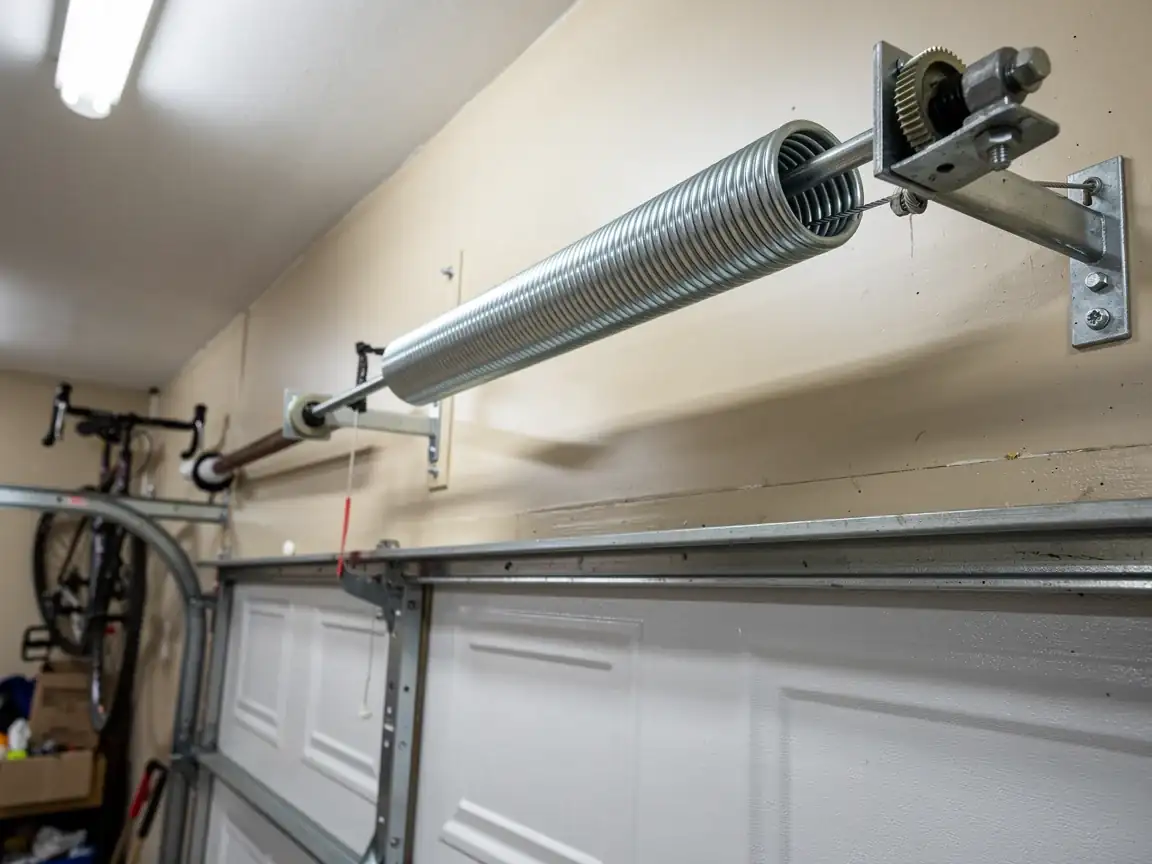
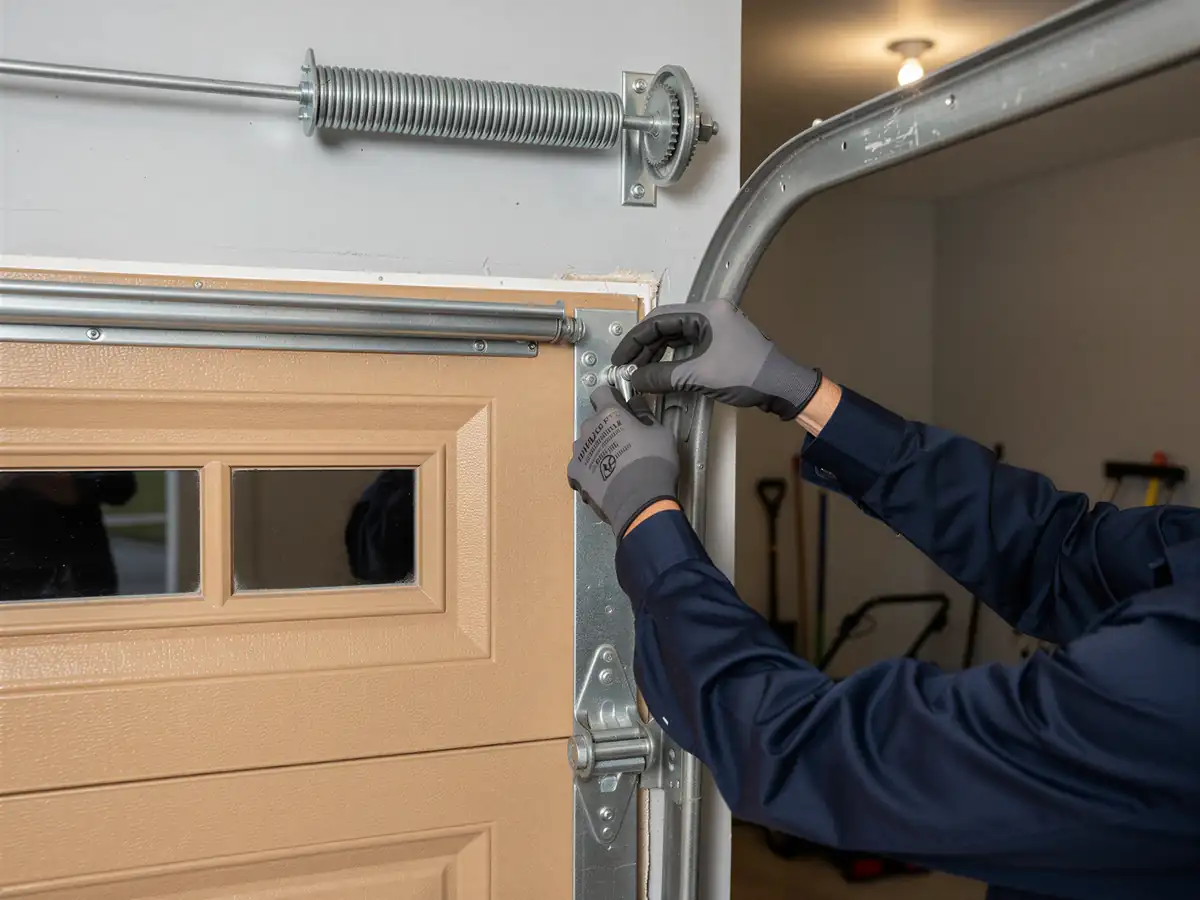
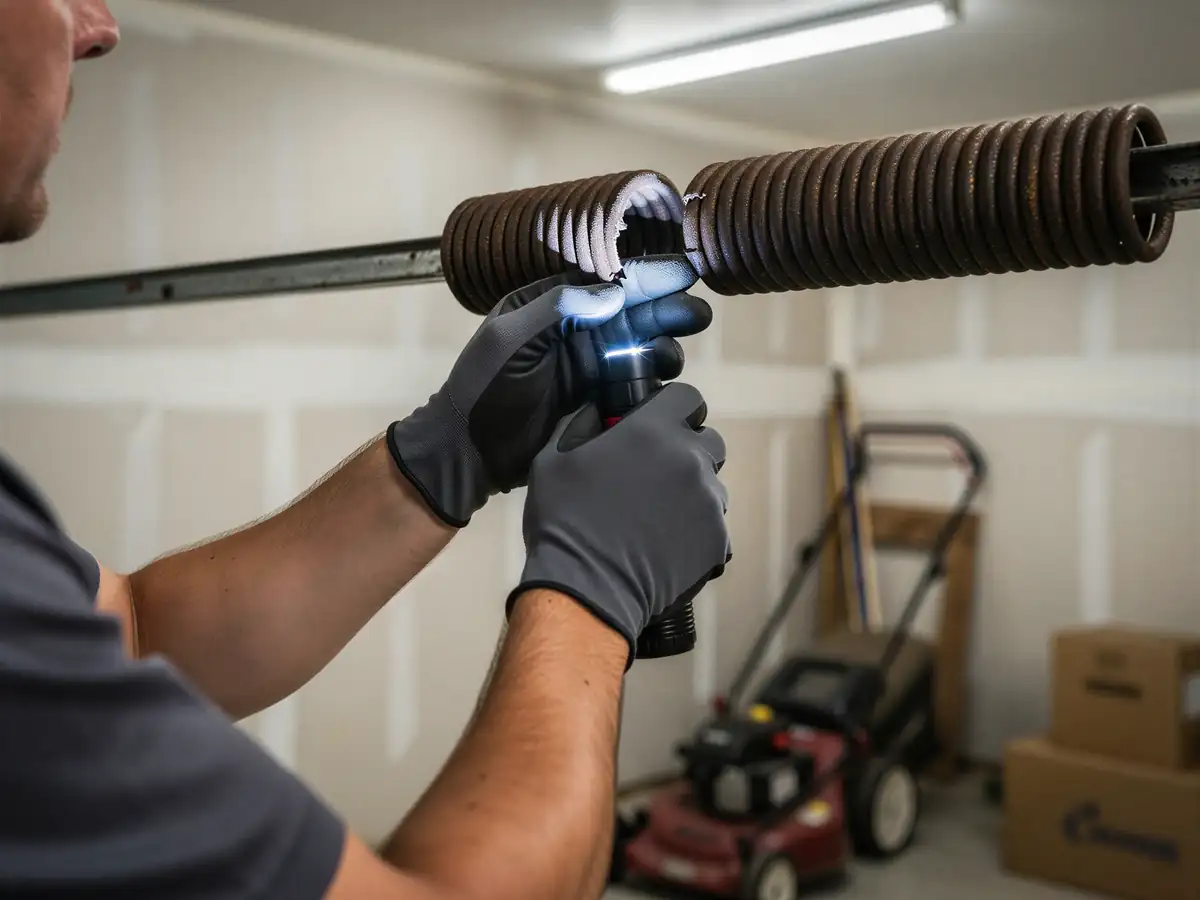
Springs on a 1990s double door are usually standard torsion, which is more serviceable than the oddball setups on much older stock, but 30-plus years of cycling still wears out galvanized coil and worn end bearings. The climate here is the same mild temperate band we work in across the whole area, so you're not dealing with freeze-thaw damage to steel panels, but UV and heat cycling still take a toll on weatherstripping and vinyl trim over three decades.
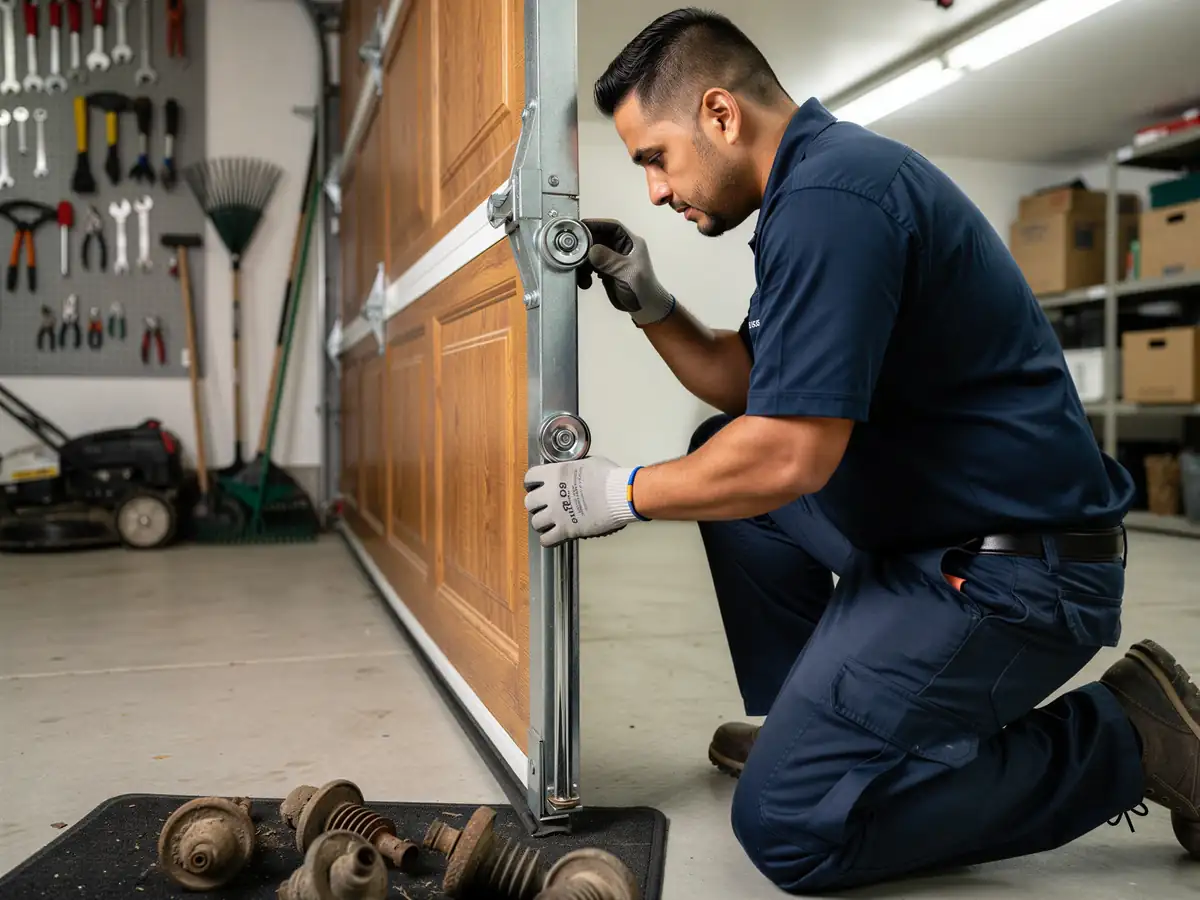
Track and roller wear shows up a lot on doors this age too. Steel rollers from a 1990 install have usually been swapped at least once by now, and if they haven't, that's often the actual source of the grinding or shuddering a homeowner calls about, not the spring they assumed was the problem.
Stocked Parts
We stock the parts that match what's actually common on a 1990-era door
Standard torsion springs in the sizes that era's builders used, steel and nylon rollers, and the sensor and logic board types for openers from that generation, not the specialty hardware older 1970s torsion setups sometimes need.
One honest limitation
If your home has a less common opener brand or a custom panel size, we may need to order that part rather than pull it off the truck, and since we're driving 18 miles out from Irvine, a second trip for a part we didn't have on hand costs you more time than it would on a closer job. We'll tell you on the first visit if that's the situation, rather than let you assume we're coming right back the next day.
- 18 miles
For the common stuff
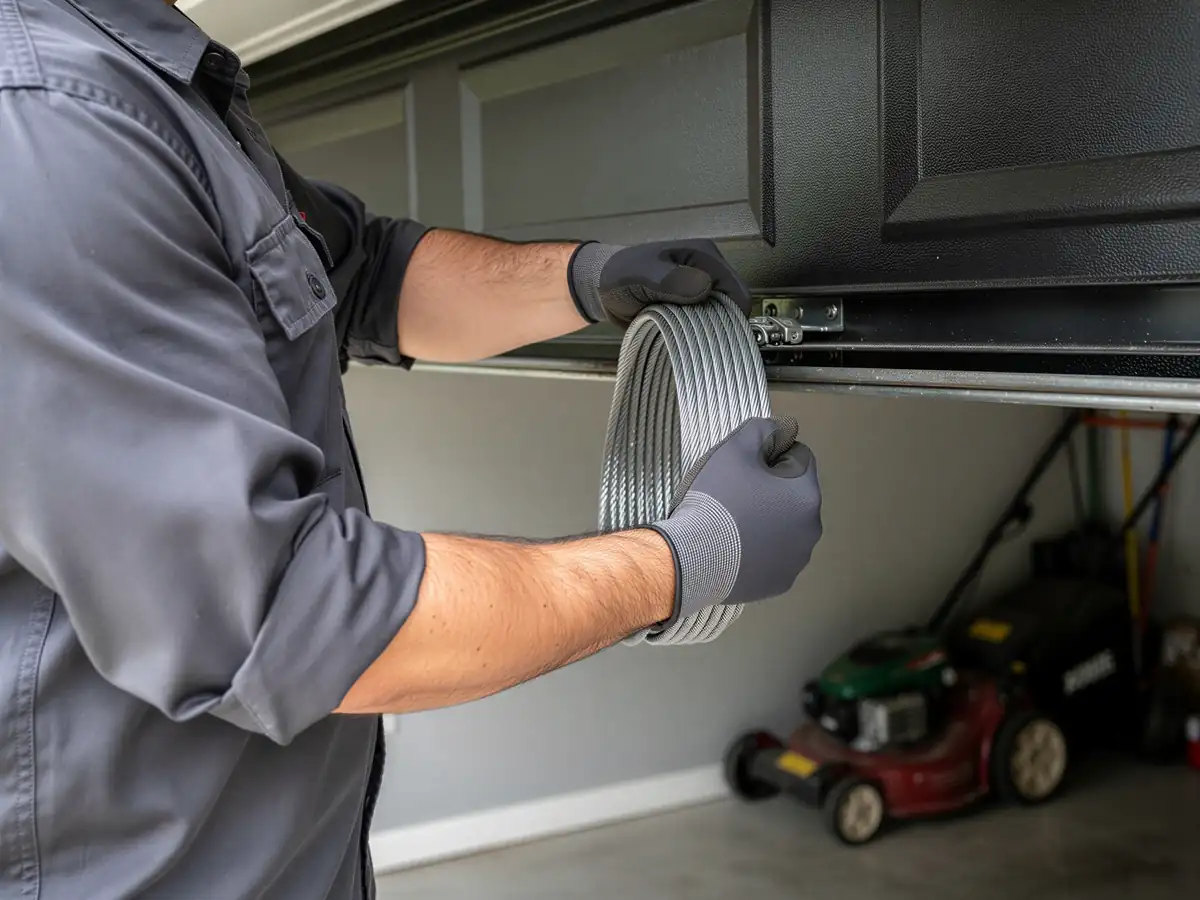
Though, cables, standard torsion springs, rollers, and openers in the range that fits a house this age, we carry it on the truck and the job gets done in one visit.
Can You Do This Yourself
Swapping a roller or tightening a loose hinge on a 1990s steel door is within reach for a homeowner who's comfortable with a ladder and a socket set. Torsion springs are not. A standard torsion spring on a double door holds enough stored tension to break a hand or worse if the winding bars slip, and that risk doesn't shrink because the door is 30 years old instead of 50.
If your opener logic board has failed and the door won't respond to the wall button or remote, that's a part swap we'd rather handle, since getting the wiring and safety sensor alignment wrong leaves you with a door that reverses unpredictably or doesn't reverse at all. Replacement sensor eyes are a reasonable DIY job if you're patient about the alignment; spring and board work isn't.
Time on the Job
Because every call to Chino Hills is a dedicated 18-mile trip rather than a stop along a local route, we plan the visit around having the right parts loaded before we leave Irvine. A straightforward spring replacement or roller swap on a 1990s door usually runs about the same time on the tools as it would anywhere else, the difference is in the travel, not the repair itself.
Where it can stretch out is a job that turns into something bigger once we're on site, a failed board that needs an order, or a panel that needs a measurement we can't take over the phone. We'd rather diagnose fully on the first visit and tell you honestly if a second trip is coming than guess and get it wrong.