The Cost of This Job
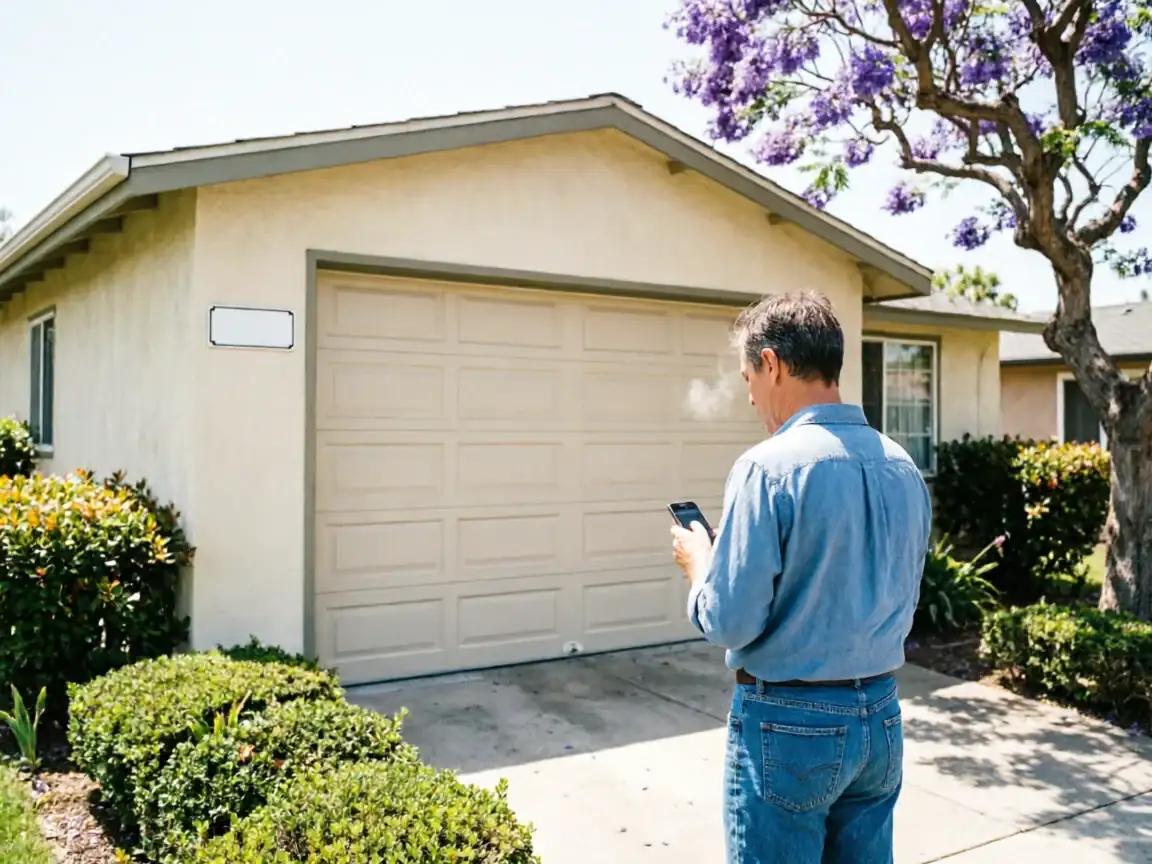
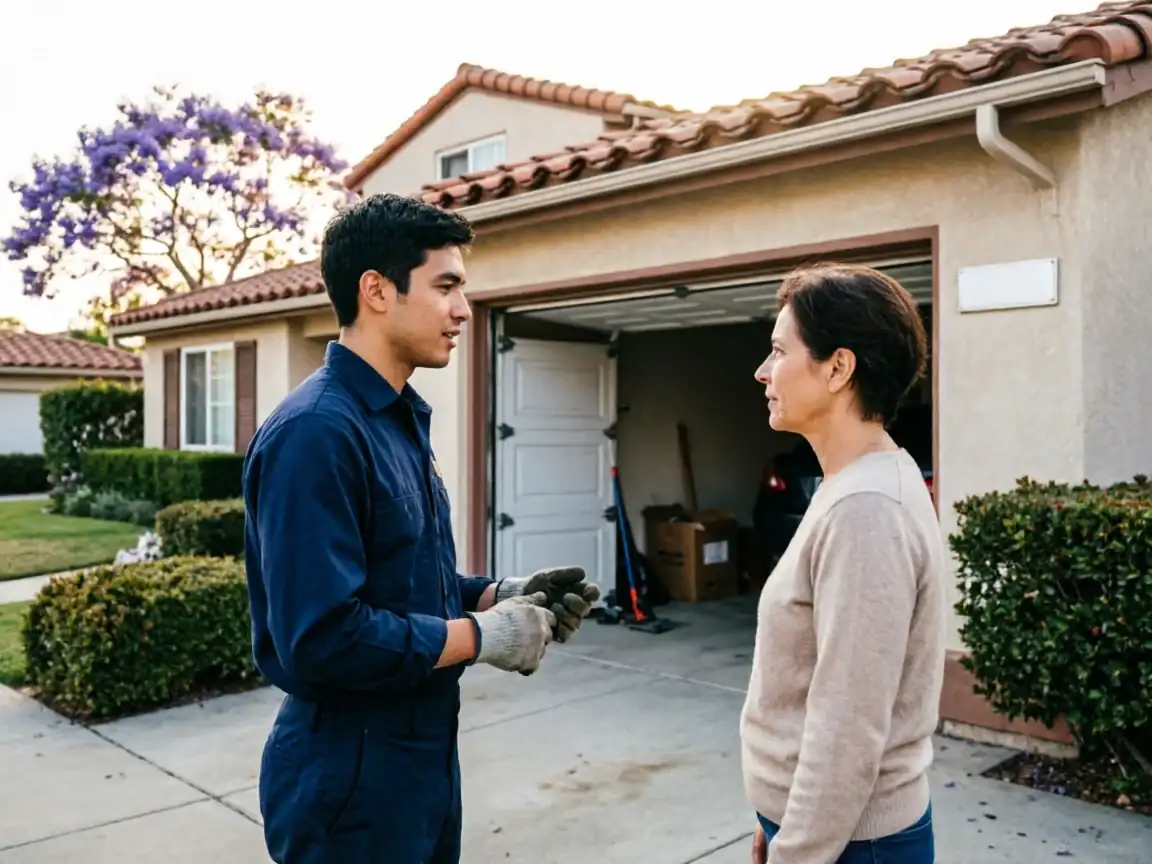
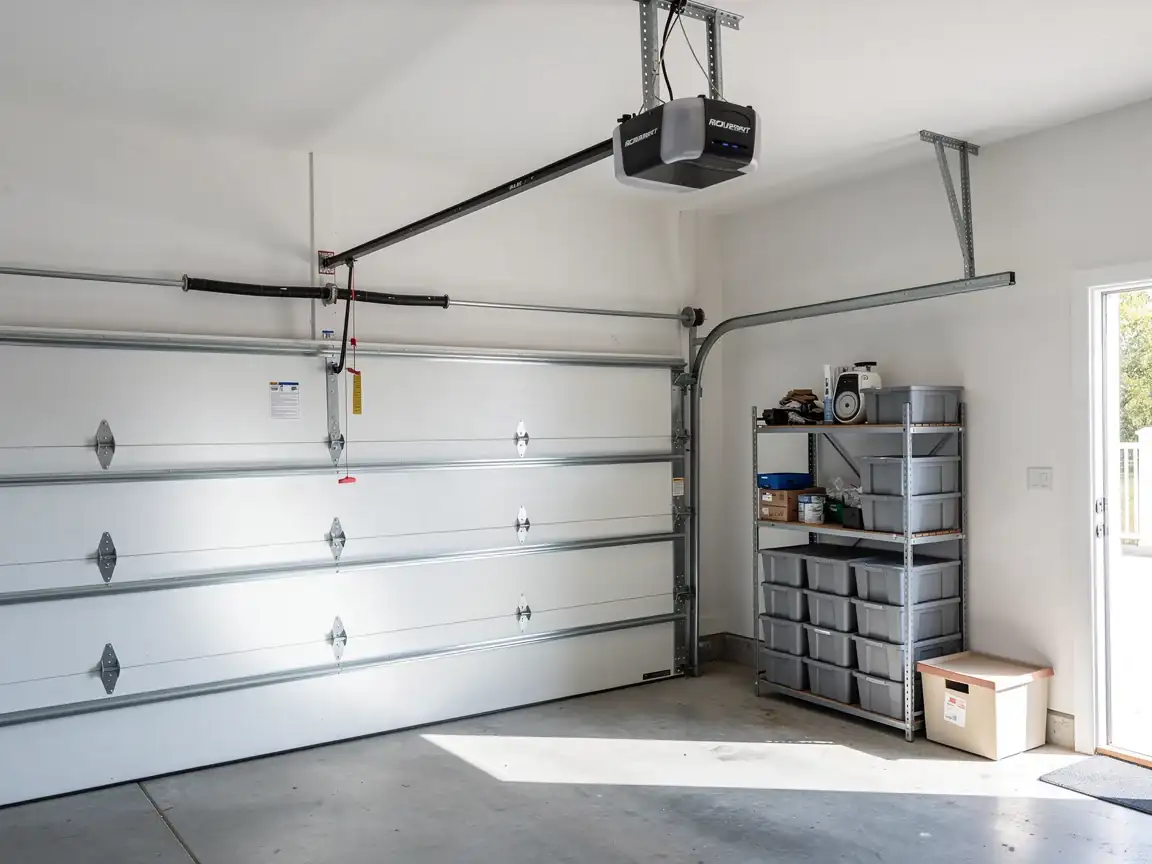
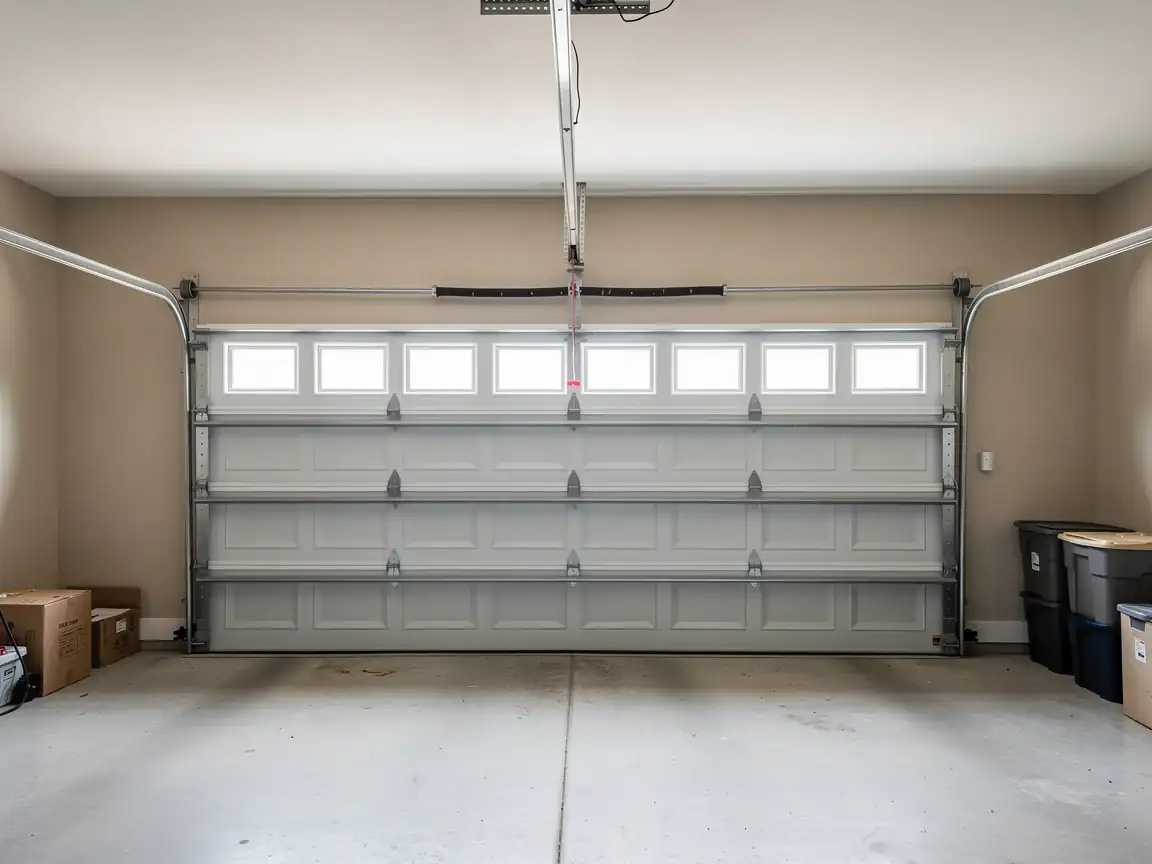
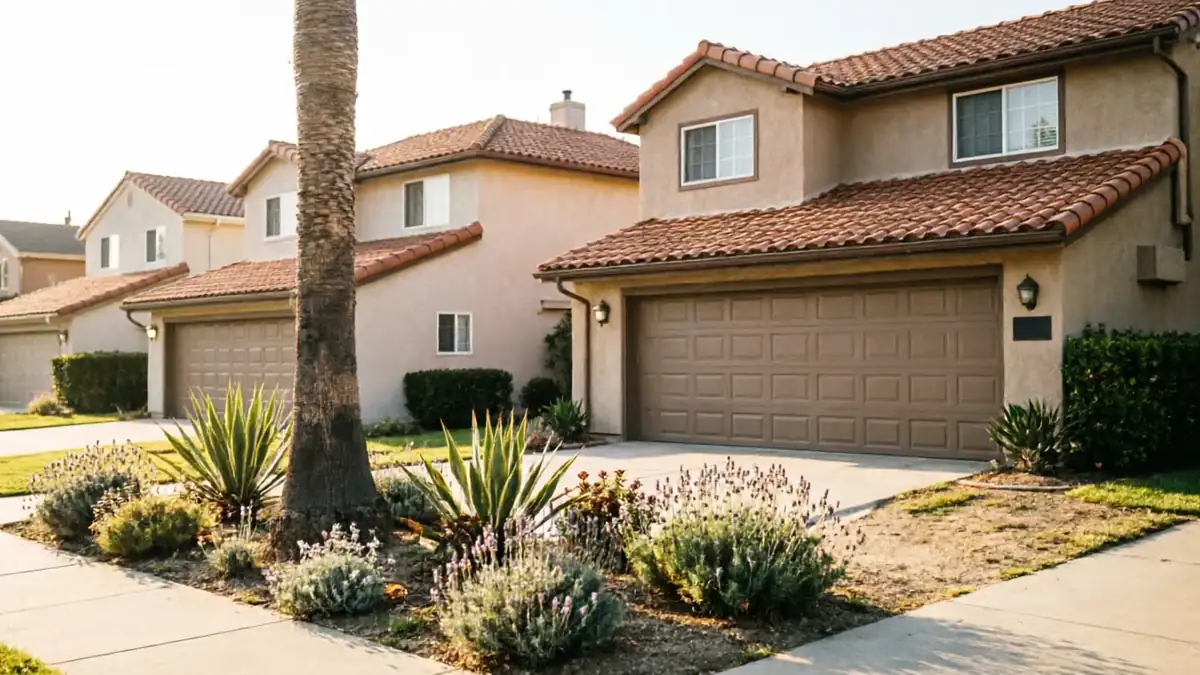
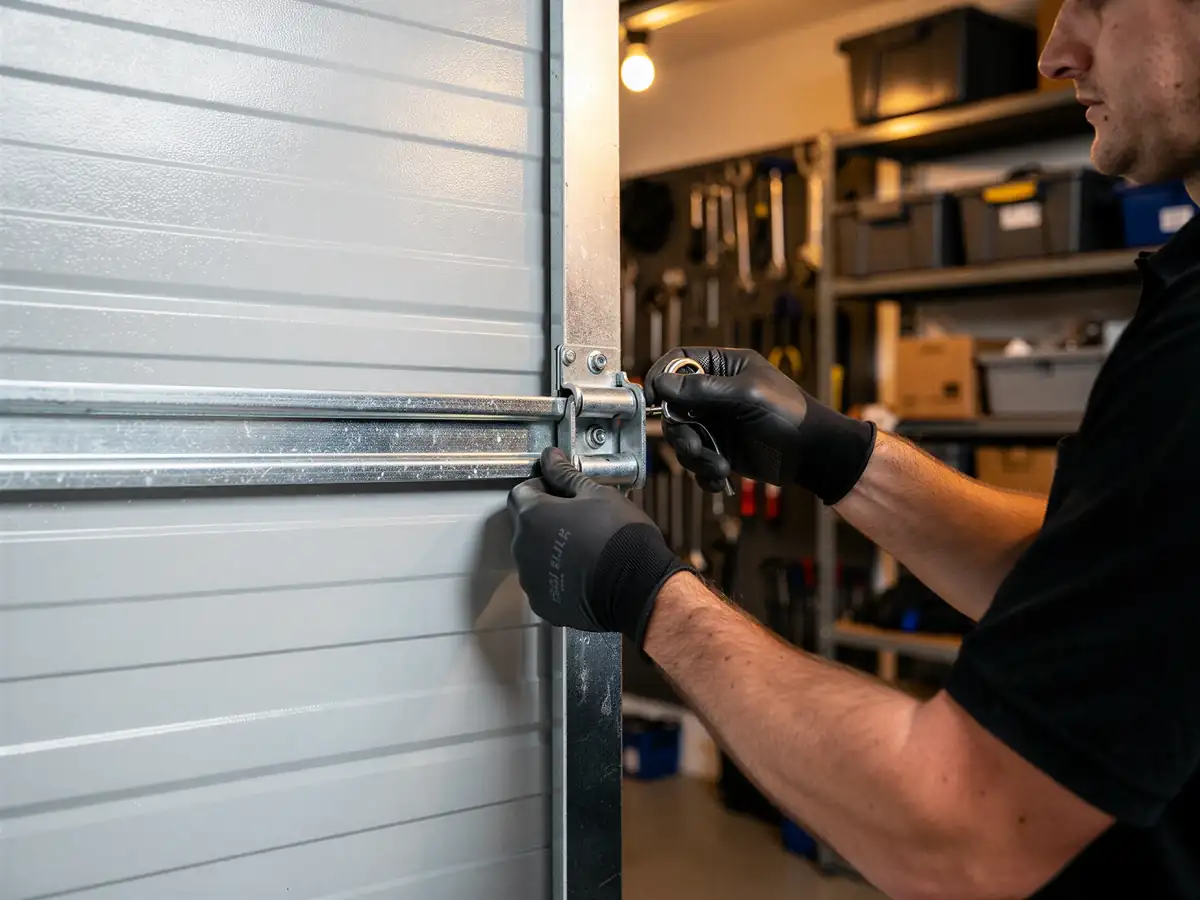
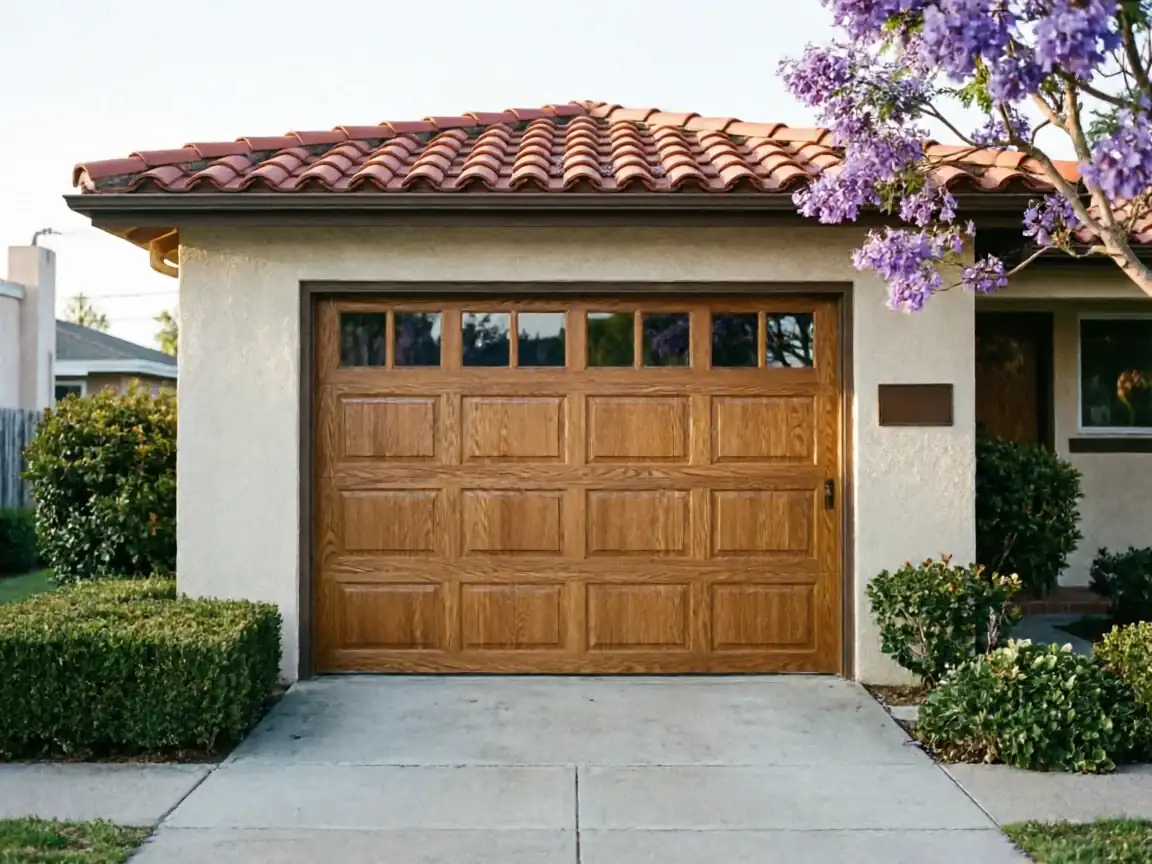
We don't quote a flat number for maintenance sight unseen, because what a door needs depends on what's actually on the track. Chino Hills sits at the newer end of the range this company covers - median build year around 1990, a good two decades past the 1960s-70s stock that makes up most of the wider Irvine service area. That gap matters more than people expect. A door from 1990 usually still has its original torsion spring and a steel-rolled track, not the mismatched replacement hardware you see on older houses that have been through two or three repairs already. The job on a 1990s door is often simpler: clean the track, check spring tension, swap worn rollers, lube the hinges. The job on an older door can turn into partial hardware replacement once you're in there. Since the technician is driving in from Irvine, about 18 miles out, we price the visit around what we find on site rather than guessing from the age bracket alone. If your door has already had a spring or opener replaced since the house was built, say so when you book - it changes what we expect to find.
What Can Go Wrong
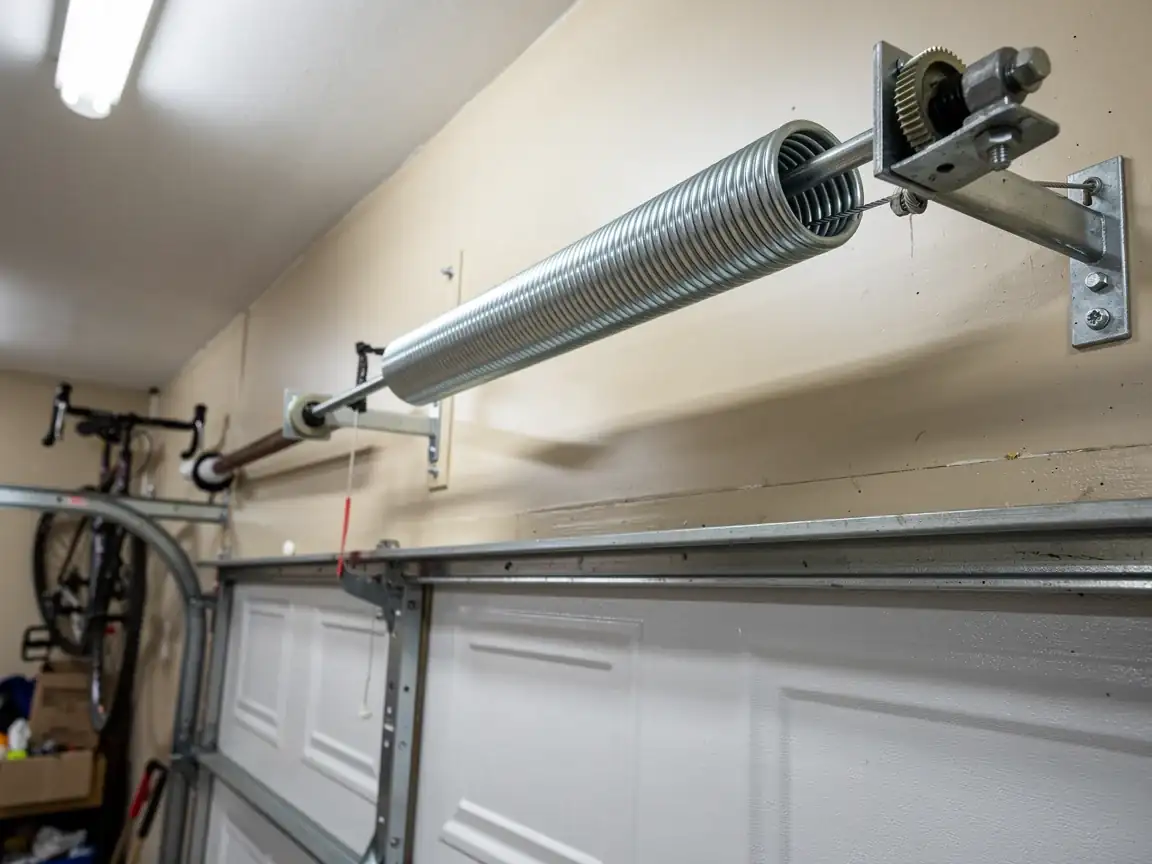
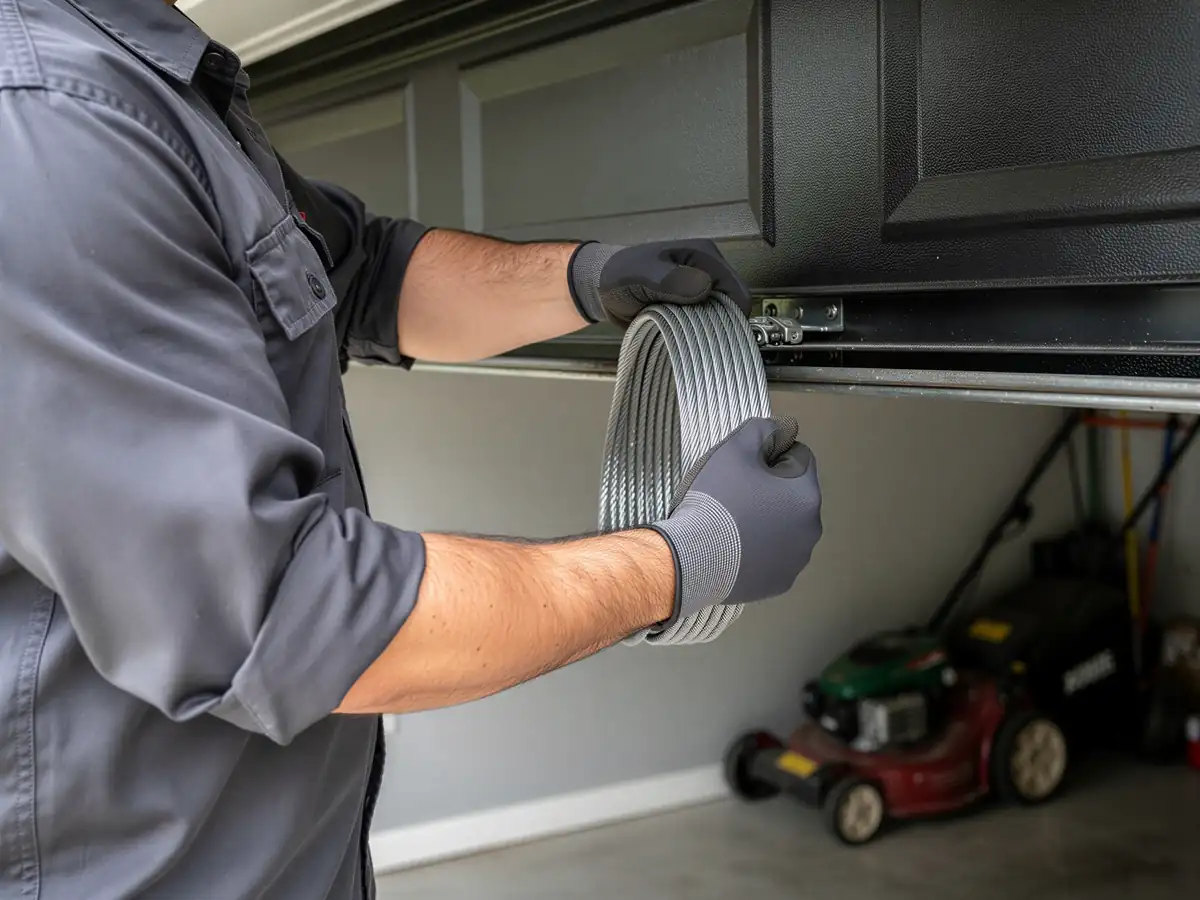
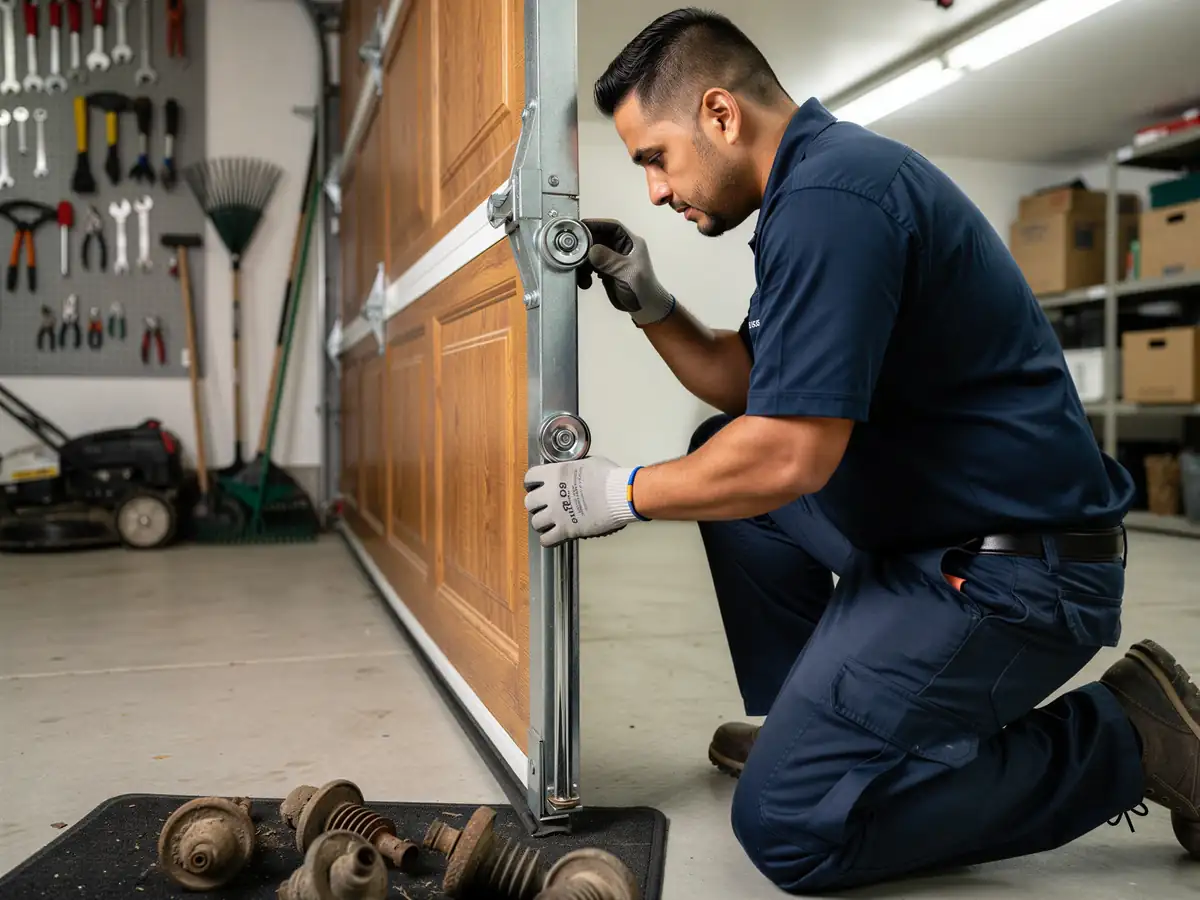
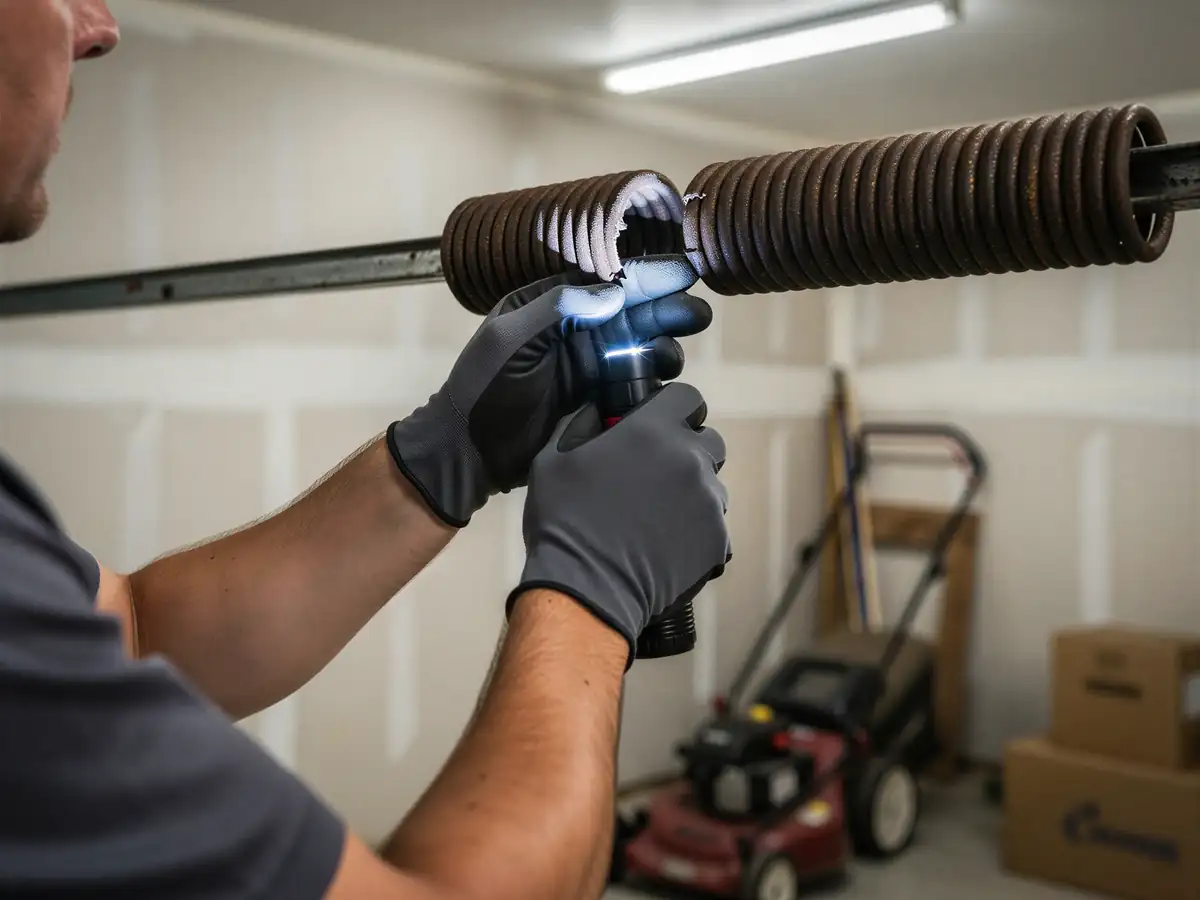
On a house built around 1990, the most common failure we see isn't a broken spring - it's a torsion spring that's lost tension gradually and nobody noticed until the opener started straining. Thirty-plus years of cycles wears the coil even if it never snaps outright. Nylon rollers from that era are also past their service life; they crack and bind rather than fail all at once, so the door starts juddering on the track before it stops moving at all. Because the area sits in a mild temperate climate, you're not dealing with the extreme heat-cycling or deep-freeze swings that crack seals faster elsewhere, so most wear here is mechanical and age-driven rather than weather-driven. Cables fraying at the drum end show up on original hardware that's never been re-lubricated. None of this is dramatic - it's the slow kind of wear that turns into a 2 a.m. stuck door if it's ignored long enough.
Can You Do This Yourself
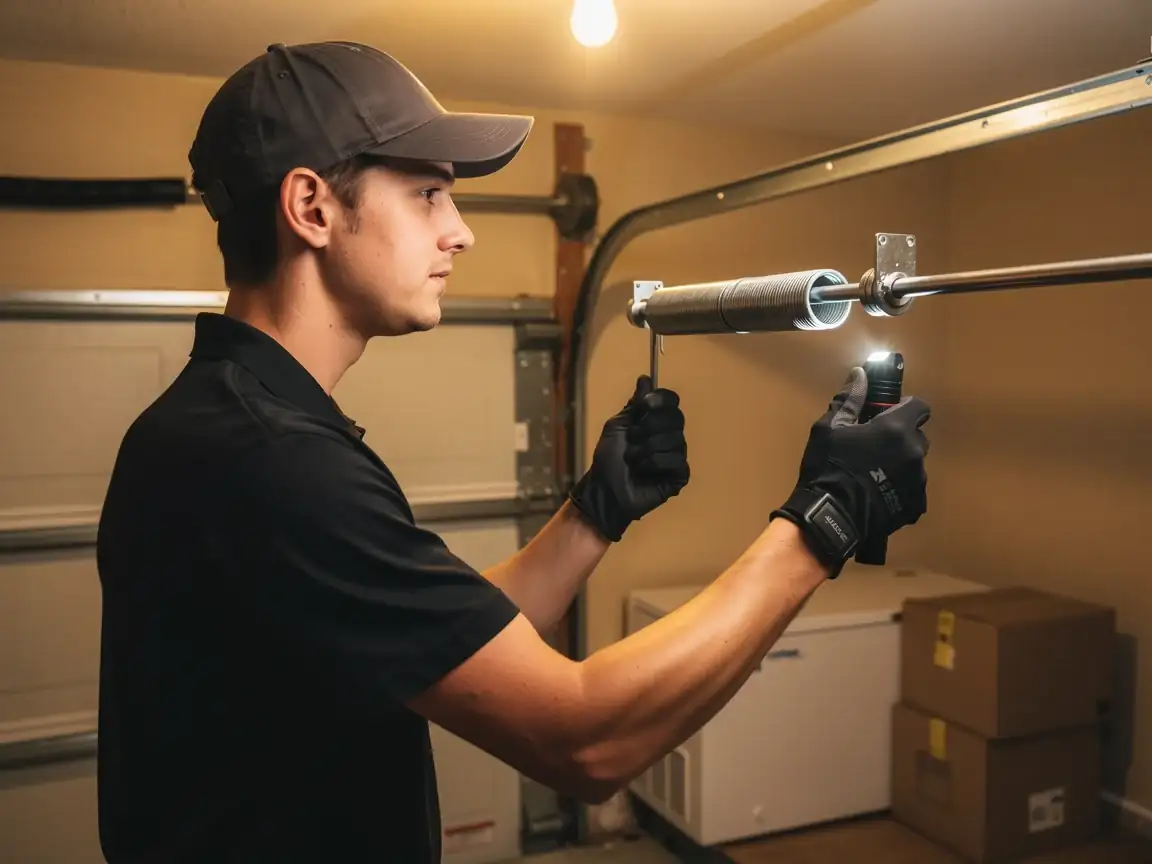
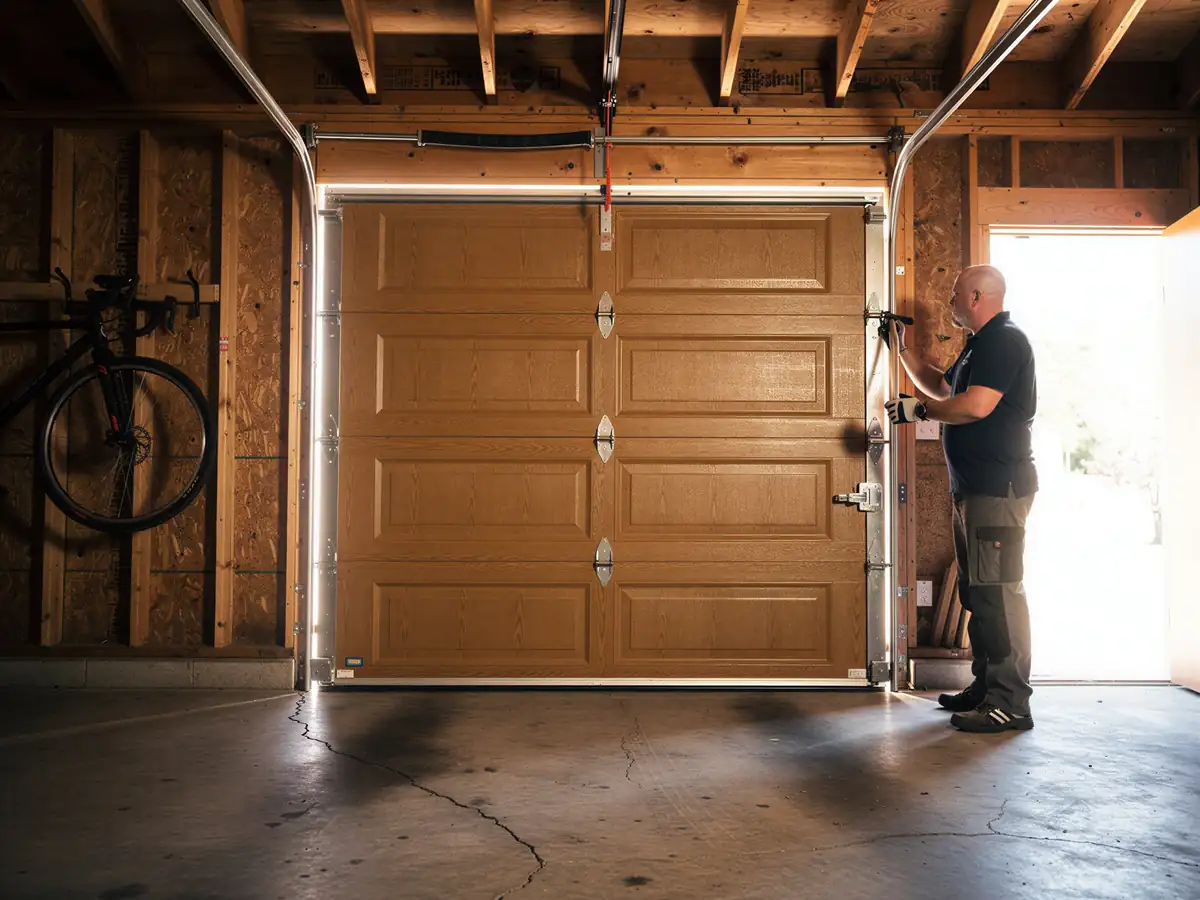
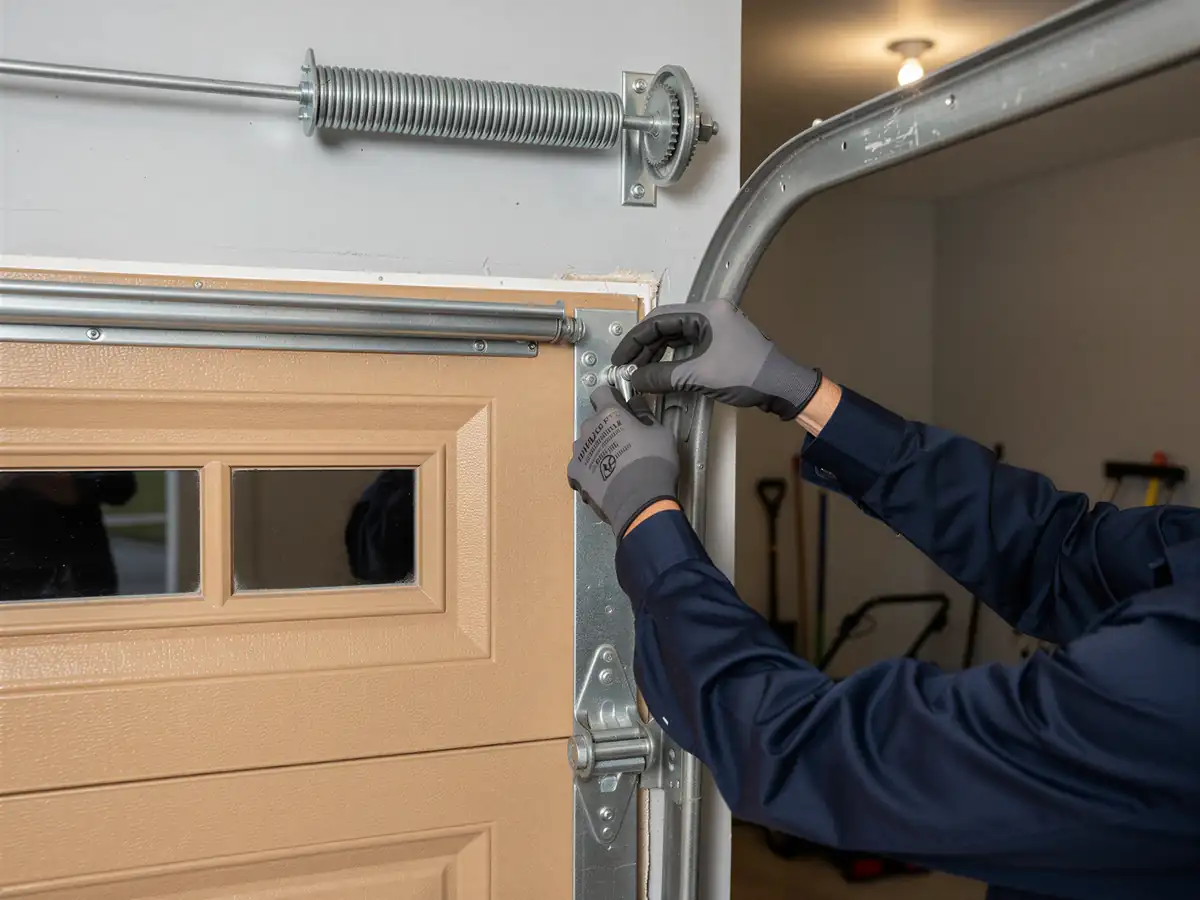
Lubricating hinges and rollers, wiping down the track, and checking that the photo-eye sensors are aligned are all fine to do yourself, and doing them twice a year will extend the life of everything else on the door. What you shouldn't touch is the torsion spring - on a door this size the spring is under enough stored tension to cause a serious injury if it lets go while you're adjusting the bolt. Same goes for cable replacement. If the door is sagging on one side, slow to close, or making a grinding noise at the top of the track, that's a tension or hardware problem, not a lubrication problem, and it's worth a call rather than a guess.
Time on the Job
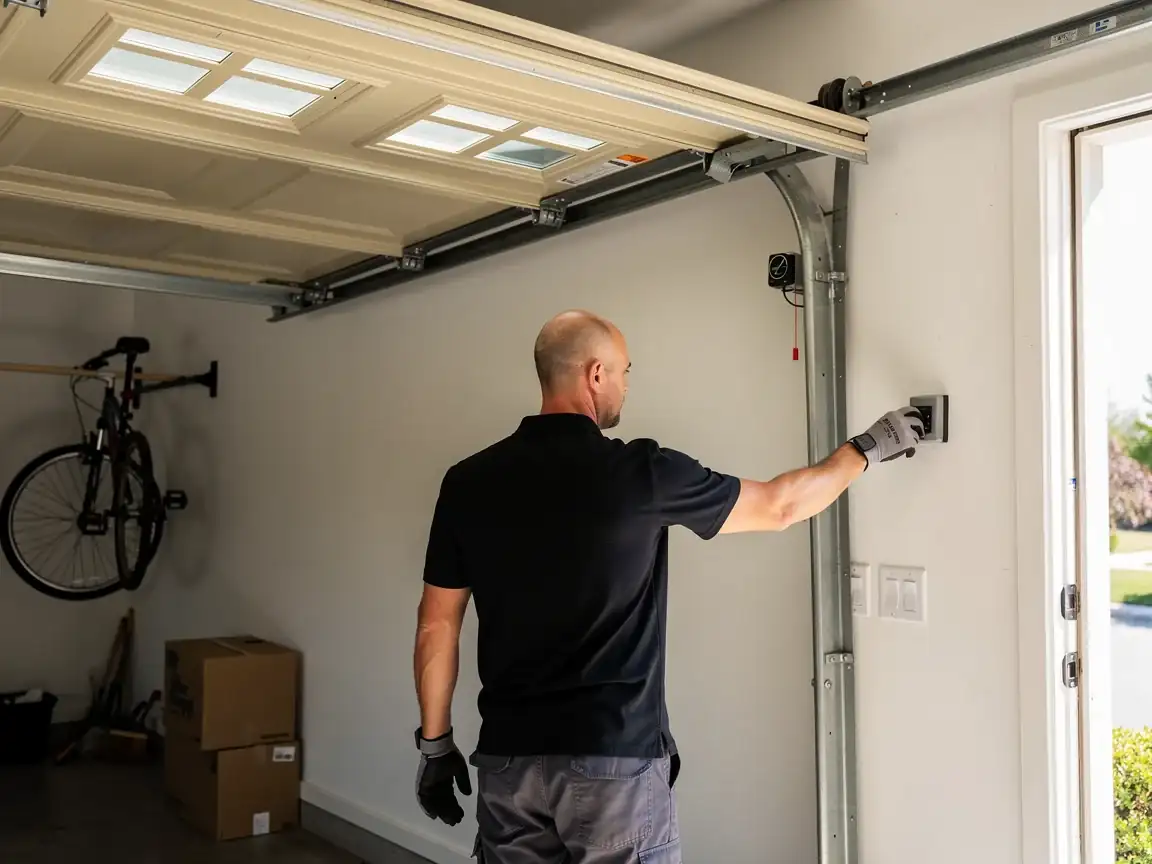
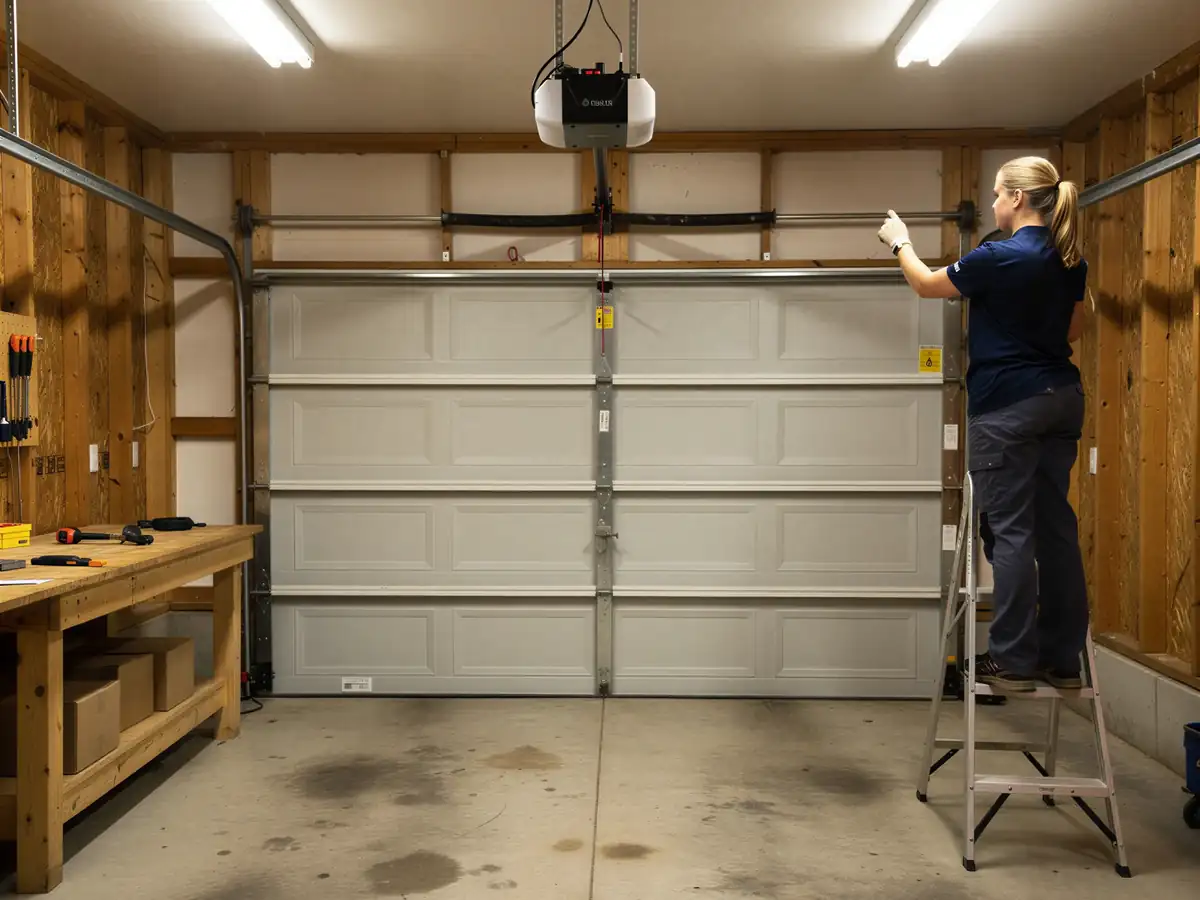
A standard tune-up - tension check, roller inspection, lubrication, hardware tightening - usually runs under an hour once the technician is on site. Add a roller or cable swap and you're looking at closer to ninety minutes. We don't run a branch in Chino Hills, so visits are scheduled out from the Irvine route rather than same-day; book a day or two ahead where you can, especially if you want a specific time window.